
Why Understanding the Cardiovascular System is Essential for Nursing Education: An Editorial Perspective

The cardiovascular system is vital for overall health, making it a cornerstone of nursing education. For nursing students and professionals, mastering this system is not just advantageous; it is crucial. This blog post highlights the importance of understanding the cardiovascular system in nursing education, emphasizing its complexities, implications for practice, and its role in delivering high-quality patient care.
The Anatomy of the Cardiovascular System
The cardiovascular system consists of the heart, blood vessels, and blood.
The heart, a muscular organ located slightly left of the center of the chest, is responsible for pumping blood throughout the body. Blood vessels include arteries, veins, and capillaries, each serving specific roles in circulation.
Structure of the Heart
The heart has four chambers: the right atrium, right ventricle, left atrium, and left ventricle.
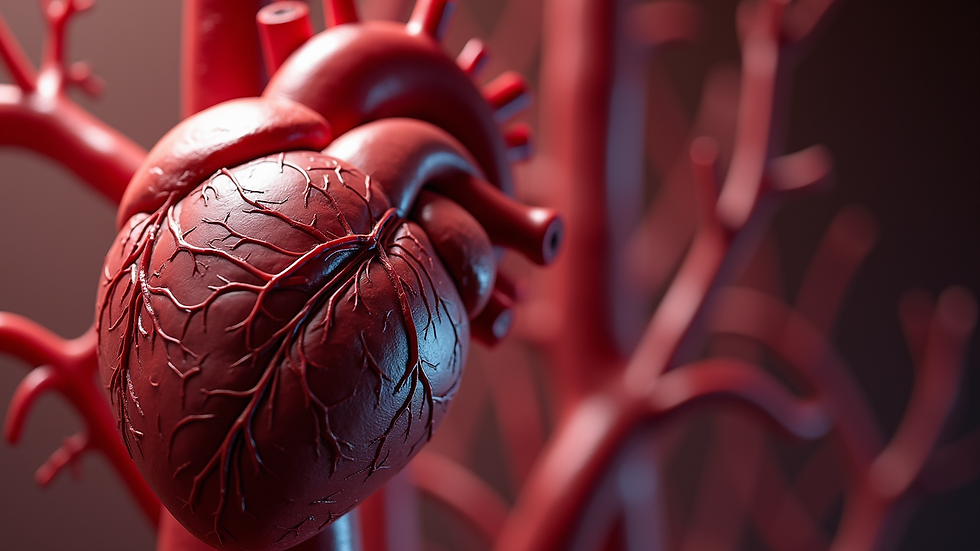
Each chamber has an important role in blood circulation. The right side receives deoxygenated blood and pumps it to the lungs, while the left side pumps oxygenated blood throughout the body. For example, heart failure affects these chambers' ability to function effectively, leading to symptoms like breathlessness and fatigue. Nurses must know the anatomy to make informed decisions and provide effective patient care.
Blood Vessels and Their Functions
Blood vessels are classified into arteries, veins, and capillaries.
Arteries transport oxygen-rich blood from the heart.
Veins return oxygen-poor blood.
Capillaries are tiny vessels where oxygen, carbon dioxide, nutrients, and wastes are exchanged between blood and body tissues.
This knowledge enables nursing professionals to identify changes in blood flow, allowing for early detection of health problems. For instance, recognizing signs of deep vein thrombosis could prevent serious complications.
The Physiology of the Cardiovascular System
Grasping the anatomy of the cardiovascular system is important, but understanding its physiology is essential.
The heart operates through electrical impulses that control the heartbeat. For instance, the normal heart rate ranges from 60 to 100 beats per minute. Nurses use this information to interpret heart rhythms and spot arrhythmias. Additionally, blood pressure regulation—how blood moves through vessels and the forces that affect this—is crucial for maintaining cardiovascular health.
Heart Rate and Cardiac Output
Heart rate and cardiac output are key indicators of cardiovascular function.
Heart rate is the number of beats per minute.
Cardiac output measures the volume of blood pumped by the heart each minute, typically around 4 to 8 liters in a healthy adult.
Nurses regularly assess these parameters to identify issues like heart disease or shock, allowing for timely actions that could save lives.
Blood Pressure Regulation
Blood pressure is a vital aspect of cardiovascular health.
Understanding the mechanisms that regulate blood pressure enables nurses to effectively manage conditions like hypertension. For example, about 45% of adults in the U.S. have high blood pressure, making routine monitoring crucial in nursing care.
The Role of the Cardiovascular System in Nursing Practice
A solid understanding of the cardiovascular system influences many facets of nursing practice, from patient assessments to implementing interventions and providing education.
Patient Assessment
Comprehensive patient assessments heavily rely on understanding the cardiovascular system.
Recognizing abnormal heart sounds can indicate conditions like valve disease.
Checking pulse quality helps assess circulation.
Observing skin conditions, such as cyanosis or pallor, can provide insight into cardiovascular health.
For instance, a high-quality pulse can indicate good cardiac output, while a weak pulse might signal possible heart failure.
Diagnosing Cardiovascular Conditions
Knowledge of cardiovascular anatomy and physiology enhances nurses' ability to contribute to accurate diagnoses.
Conditions such as heart failure, which affects approximately 6.2 million adults in the U.S., can be effectively managed when healthcare professionals understand the underlying cardiovascular mechanisms driving symptoms and treatment.
Implementing Interventions
Nurses play a vital role in implementing interventions that lead to better cardiovascular outcomes.
From administering medications like beta-blockers to educating patients about dietary changes—such as reducing sodium intake—an understanding of the cardiovascular system empowers nurses to take actions that significantly enhance recovery.
Patient Education and Counseling
Nurses must provide effective education about cardiovascular health.
This involves counseling patients on the importance of exercise, a balanced diet, and medication adherence. For example, a well-balanced diet low in saturated fats and rich in fruits and vegetables can lower the risk of developing heart diseases significantly.
The Importance of Cardiovascular Knowledge in Nursing Education
Given the complexity and significance of the cardiovascular system, integrating this knowledge into nursing education is essential.
Curriculum Development
Incorporating cardiovascular education into nursing curricula ensures future nurses develop a thorough understanding.
Teaching strategies should include simulations and case studies that foster critical thinking, enabling students to apply knowledge in real-world scenarios.
Promoting Lifelong Learning
Nurses need to keep their knowledge of the cardiovascular system current as research and practices evolve.
Fostering a culture of lifelong learning within nursing education enhances professional development, ultimately improving patient care and outcomes.
Collaborative Practice
Understanding the cardiovascular system is crucial for effective collaboration across healthcare teams.
Nurses regularly interact with physicians, pharmacists, and dietitians; a solid grasp of cardiovascular health leads to better communication and improved patient results.
Contemporary Issues in Cardiovascular Health
As healthcare landscapes change, so do the challenges related to cardiovascular health.
Rise of Cardiovascular Diseases
Cardiovascular diseases are the leading cause of death worldwide, fueled by factors such as obesity, physical inactivity, and unhealthy diets.
For instance, the World Health Organization reports that about 17.9 million people die from cardiovascular diseases each year. Nurses must understand these trends and their implications to effectively educate their patients.
Impact of Technology
Advances in medical technology affect how cardiovascular health is monitored and treated.
Nurses should become familiar with devices like ECG monitors and telehealth systems that enhance patient assessments and follow-ups.
Social Determinants of Health
Social determinants significantly impact cardiovascular health outcomes.
Nurses must consider factors like socioeconomic status and access to healthcare when approaching cardiovascular care, ensuring they provide equitable and effective support.
Final Thoughts
Understanding the cardiovascular system is vital for nurses.
This knowledge provides a foundation for assessing and managing cardiovascular health and forms the basis for delivering exceptional patient care.
As nursing education evolves, integrating comprehensive cardiovascular knowledge into curricula ensures nurses can meet the growing challenges in cardiovascular health proactively and compassionately.
With this understanding, nursing professionals are better equipped to improve patient outcomes, advocate for healthier lifestyles, and navigate the complexities of cardiac care within a dynamic healthcare environment.
The learning journey about the cardiovascular system does not conclude with formal education; it continues as nurses grow in their careers, solidifying their role as essential players in the healthcare system.

By embracing this knowledge, nurses empower their practice and significantly enhance the well-being of the communities they serve.


Comments