
Understanding the Basics of Reproductive Anatomy

Reproductive anatomy is a critical area of study that encompasses the structures and functions related to biological reproduction. Understanding the complexity of reproductive systems is essential for students, healthcare professionals, and individuals interested in biology and health. In this article, we will explore the key components of reproductive anatomy and how they contribute to human biology.
Reproductive Anatomy
Reproductive anatomy can be broadly divided into two categories: male and female reproductive systems. Each system has unique structures that play specific roles in reproduction. Let's take a closer look at these systems and understand the distinct roles they play.
The Female Reproductive System
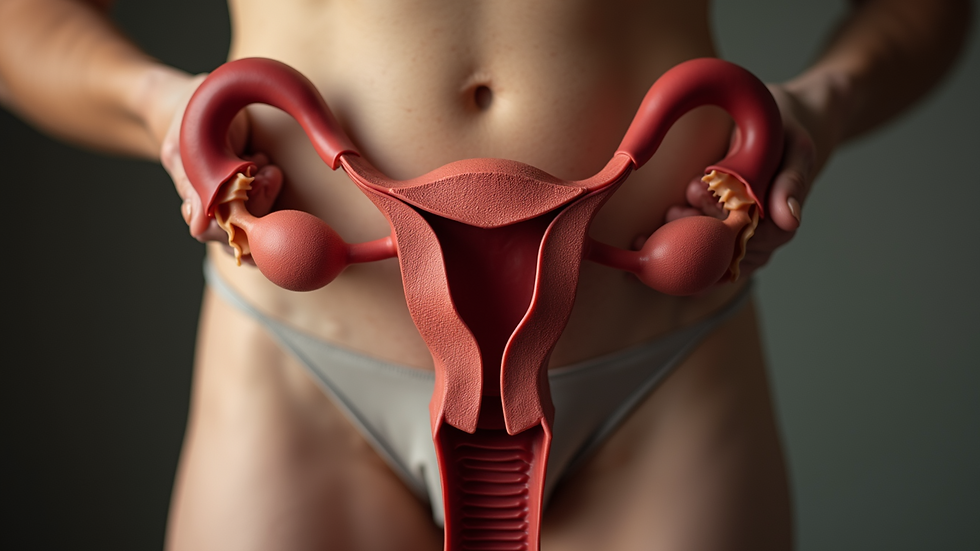
The female reproductive system is designed to facilitate reproduction. It comprises several essential structures, including the ovaries, fallopian tubes, uterus, and vagina.
Ovaries: The ovaries are the primary reproductive organs in females. They are responsible for producing eggs (ova) and hormones such as estrogen and progesterone. Each month, during the menstrual cycle, one or more follicles in the ovaries mature and release an egg.
Fallopian Tubes: These tubular structures transport the released eggs from the ovaries to the uterus. Fertilization typically occurs in the fallopian tubes if sperm is present.
Uterus: The uterus is a muscular organ that supports the development of a fertilized egg. If fertilization occurs, the fertilized egg implants in the uterus, where it can grow into a fetus.
Vagina: The vagina serves as the birth canal during delivery and as the passage for menstrual fluid. It also plays a critical role during intercourse, allowing sperm to enter the reproductive tract.

The Male Reproductive System
The male reproductive system has its unique anatomy and serves various functions, including the production of sperm and secretion of male hormones.
Testes: The testes are male reproductive organs that produce sperm and hormones, primarily testosterone. Attached to each testis is a coiled tube called the epididymis, where sperm mature.
Vas Deferens: This duct transports sperm from the epididymis to the ejaculatory duct, where it can be expelled during ejaculation.
Prostate and Seminal Vesicles: These glands produce fluid that nourishes and transports sperm, forming semen.
These organs work together to ensure effective reproduction, highlighting the intricacies of the male reproductive system.
Common Disorders and Issues
Understanding reproductive anatomy also includes awareness of potential disorders that can affect reproductive health. Some common issues include:
Polycystic Ovary Syndrome (PCOS): A condition in women marked by hormonal imbalance, leading to irregular menstrual cycles and infertility.
Erectile Dysfunction: This common male condition involves difficulty in achieving or maintaining an erection, which can hinder reproductive capability.
Endometriosis: A disorder where tissue similar to the lining inside the uterus starts growing outside of it, potentially leading to pain and infertility.
To address these issues, individuals should consult healthcare professionals for diagnosis and treatment. Keeping informed about one's reproductive health is crucial for early detection and effective treatment.
The Importance of Reproductive Health Education
Understanding reproductive anatomy and health is vital for everyone, regardless of age or gender. Comprehensive sex education, including knowledge about reproductive systems, can lead to:
Improved Health Outcomes: Individuals who are well-informed about their reproductive health are more likely to seek timely medical attention.
Reduced Stigma: By normalizing conversations about reproductive health, society can diminish the stigma surrounding reproductive disorders and personal health inquiries.
Empowerment: Knowledge equips individuals with the power to make informed choices regarding their reproductive health and relationships.
Implementing educational programs at schools and community centers can make a significant difference in promoting awareness and understanding of reproductive health.

Final Thoughts on Reproductive Anatomy
Reproductive anatomy is a fascinating and crucial aspect of human biology. From understanding the structures involved in both the male and female reproductive systems to recognizing common reproductive health issues, knowledge empowers individuals to take charge of their health. By prioritizing education and awareness, we can foster a healthier society that values reproductive well-being.
Staying informed and proactive about reproductive health is essential for individuals and communities alike.



Comments